• The Kingbird – the King of Magic

    I watched a magic trick this week. I bet you didn’t know birds could pull off magic tricks- well, I didn’t either until this kingbird enlightened me.

    Don’t believe me? Just watch!
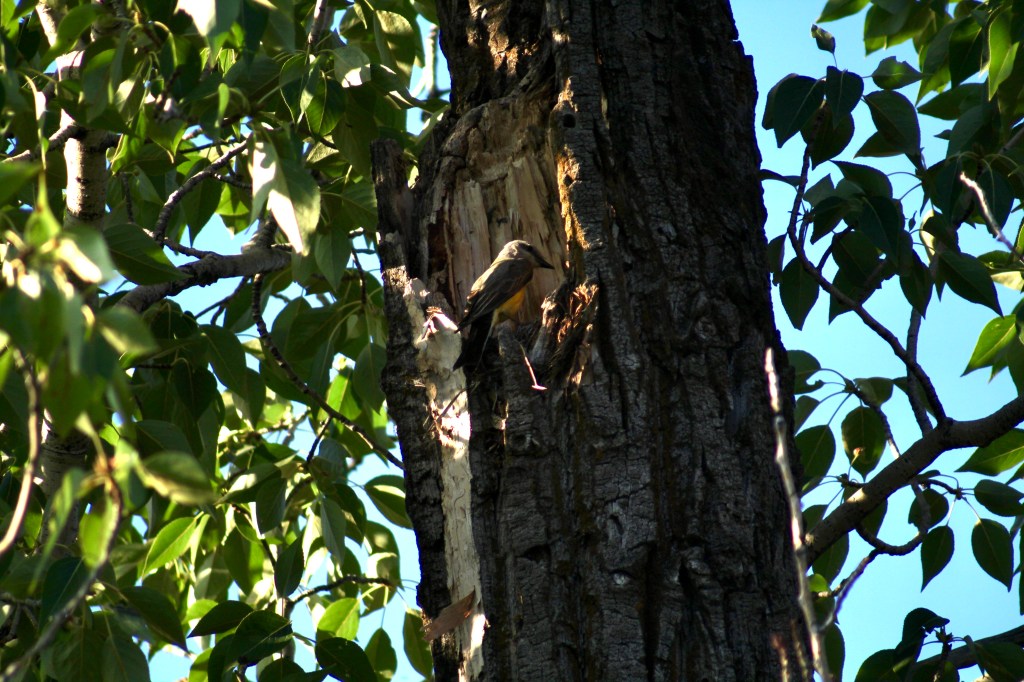
    There he was, perched in a tree, minding his own business. I thought, “oh, okay, let’s see what he’s up to!”
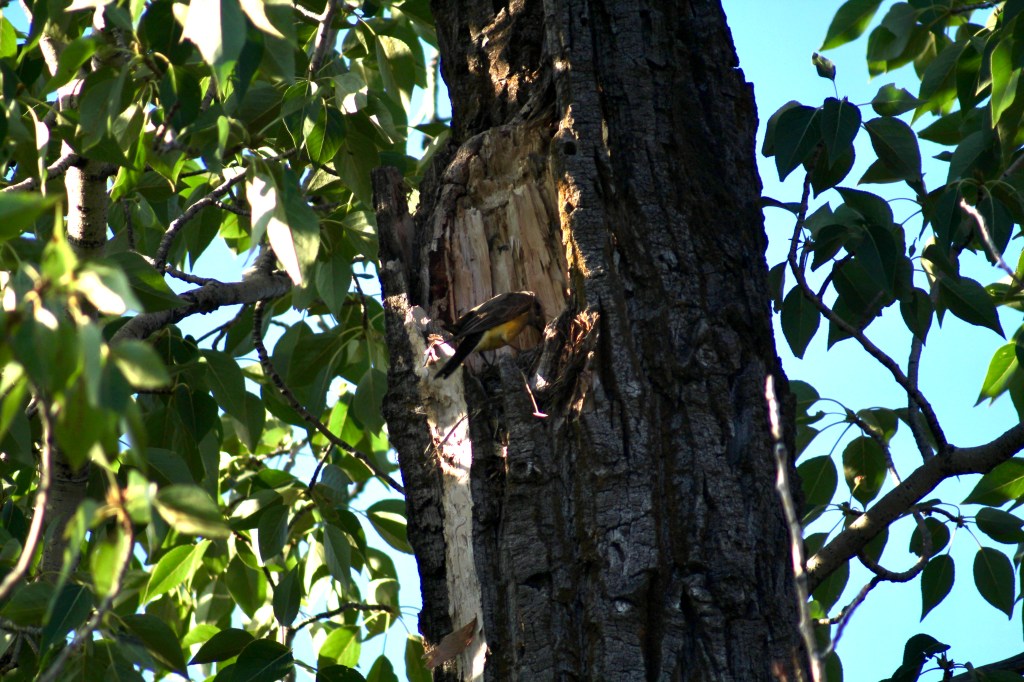
    Then he reached into his little leafy “tree hat”…
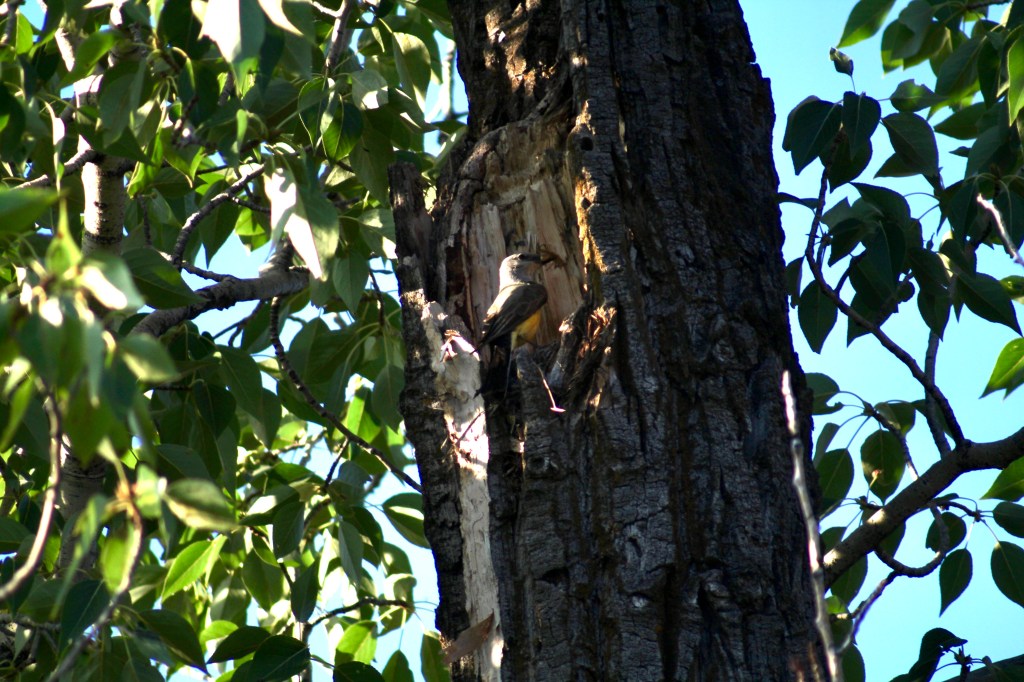
    and-bam!- He pulled out a bug like a magician pulling out a rabbit from a hat.

    This particular magician is called a Western Kingbird, though that wasn’t always his name. Originally, these birds were known as Arkansas Kingbirds. But that didn’t last long- because it turns out they live in a way more places than just Arkansas.

    In fact, their range is still spreading! As we humans build more poles and plant more trees, kingbirds take advantage of the new perches and hunting spots. Talk about going with the flow!

    Now, in all honesty, I was rather hesitant around this guy at first. I had heard that Western Kingbirds had a nasty temper when it comes to protecting their territory. Luckily for me, this one was chill- didn’t try to eat me or anything.

    And you’ll never guess what else these guys have up their sleeves (or should I say… heads?). Western Kingbirds have what’s called a red crown– A patch of bright red head feathers that normally hide beneath their soft, unassuming gray plumage. It only pops up when they are on the defensive, like a dog raising its hackles, or a cat arching its back.

    Now with all that, you can’t tell me it’s not magic.
  • Northern Leopard Frog – the Star of the Show 🐸📸

    Long time no see! Or… uh… read.
    With the summer winding down, my fun vacation days are coming to a close, and it’s back to work for me!

    This week, my thoughts were on a rather peculiar topic: warts.
    Strange- I know. But when you’re lying on your back staring up at the ceiling in boredom, your mind tends to wander to strange places. One thought led to another and-BAM!-I was thinking about frogs.

    And now, here we are.

    Frogs have always been one of my favorite things, believe it or not. My mother still has a picture of me as a kid ,wearing a tutu and proudly holding a frog. (Naturally she thinks it’s the funniest thing ever to show visitors.) Growing up next to a canal, frogs were a frequent “tourists” in my yard, and it was only natural that I became an adept frog catcher at a young age.

    But there’s a lot more to frogs than may meet the eye – whether it is fascinating truths or long told myths.

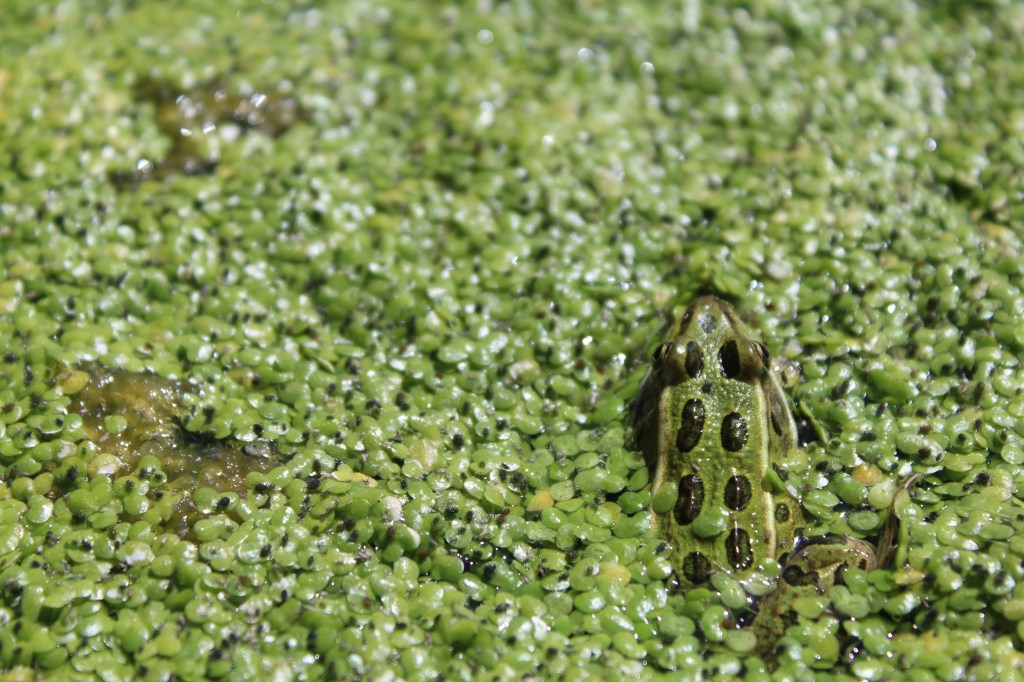
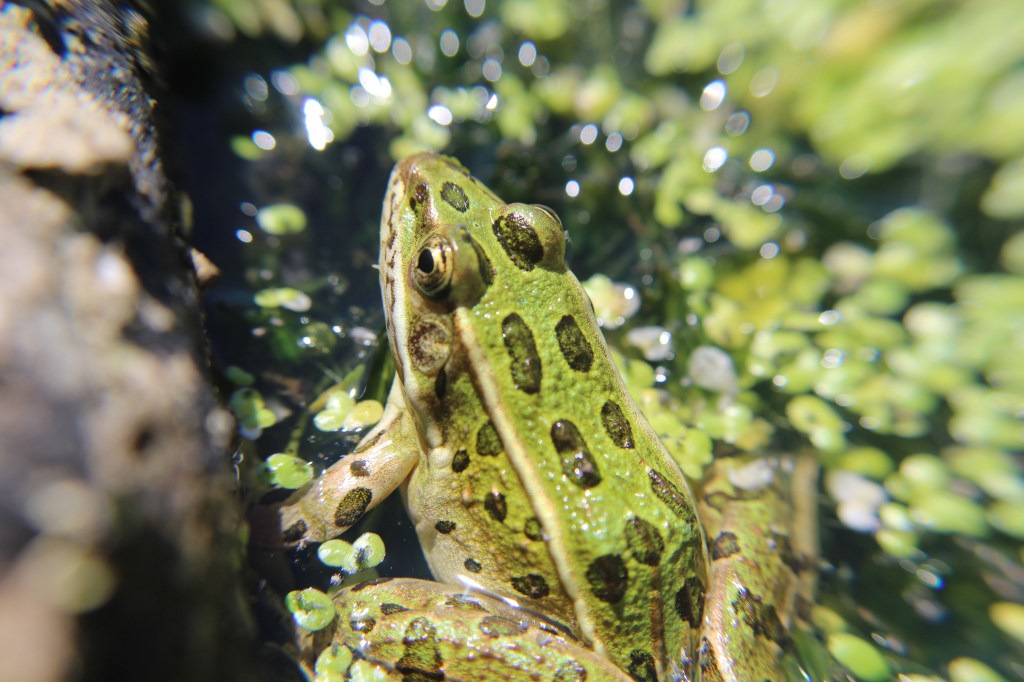
    Luckily, I spotted this northern leopard frog by a stream the other day and managed to get some up close and personal pictures. (No really- my camera lens was this close to his face.) Thankfully, he was a good sport and handled it like a star born for the limelight!

    For centuries frogs ( and especially toads) have been linked to warts. Some people still believe that touching them causes warts to grow. But don’t worry- that long-lived myth has been thoroughly debunked. And thank goodness for that, or I’d have been doomed years ago!


    The truth is, frogs are full of interesting facts. For example, female northern leopard frogs can lay up to 7,000 eggs on waterside vegetation (yes, that’s three zeros!). Of course, with so many predators, not all of these tadpoles make it – but the large number of offspring increase their chances of survival.

    Even more surprising, these frogs sometimes turn on their own kind. They’ve been documented eating each other as well as their offspring, making them a bit cannibalistic. But don’t be too quick to judge these little guys- cannibalism is actually quite common in the animal kingdom.

    Last fun fact: the northern leopard frog is the state amphibian for both the state of Vermont and Minnesota! No wonder this little guy was such a natural in front of the camera!

  • Wood Ducks Guide to Falling in Style

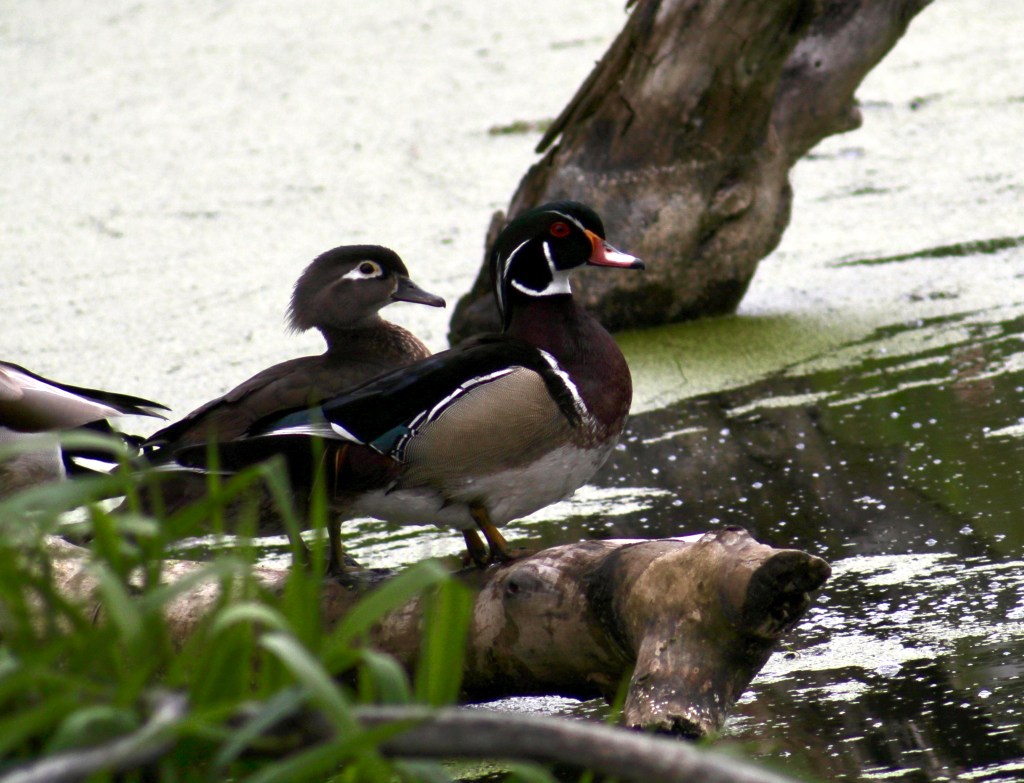
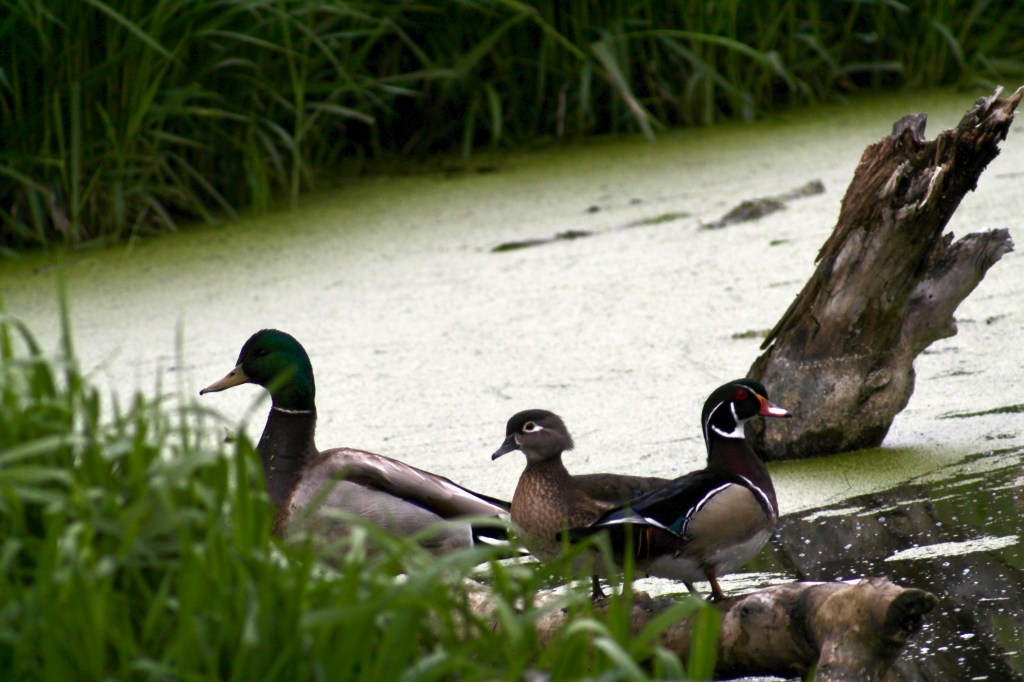
    Here are some beautiful wood ducks! Though, in all honesty, the one mallard chilling with them on the log was pretty cute too- and deserved some attention, in my opinion.

    Wood ducks are local favorites here, thanks to their unique plumage colors. Not to mention, those eyes quite literally pop with color! But if you’ve ever seen them in the dark, you know that they’re kind of creepy- with those big red eyes staring back at you like OvO (that was my “duck staring at you” fact in letters, in case you couldn’t tell)

    The key to the males’ red-colored eyes is actually found in their diet. So maybe you are what you eat!

    Another interesting thing that sets wood ducks apart from most other duck species is their nesting habits. Unlike most ducks, which nest on the ground, wood ducks nest wood!
    I know! Never wood have guessed! (Hahahahahahahagha)

    Well… rather, they nest in trees (which are made of wood, so there. Mic drop.)

    However, because these birds nest so high up, their ducklings have quite a ways to go after hatching. Around April, these ducklings will hatch flightless- and within 24 hours, they jump right out of their nests! (sometimes from as high as 50 feet above the ground!) and waddle off to find their mother.
    I can’t even imagine jumping 50 feet out of a tree when I was only 24 hours old! Talk about Crazy!

    Sources

    Cornell Lab of Ornithology: Wood Duck Overview

    National Wildlife Federation: Wood Duck

    U.S. Fish & Wildlife Service: Wood Duck Nest Box Guide

    Audubon: Wood Duck Field Guide

    Smithsonian’s National Zoo: Wood Duck Facts

  • Who You Gonna Call? Ring-Billed Gull!

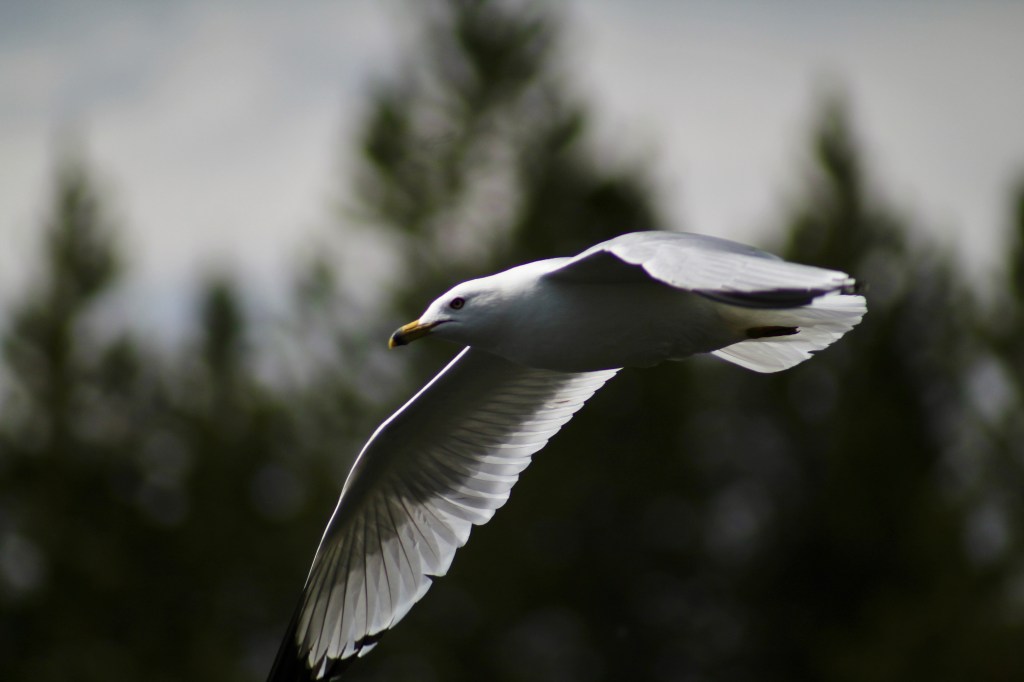
    This is a ring-billed gull!
    Despite how common they may seem- especially around the coast- they look so elegant flying through the sky!

    Ring-billed gulls are considered a pest in some areas due to their sheer numbers. However, this was not always the case! Back in the early 1900s, feather-adorned hats were all the rage. Every fashionable lady had to have one! That being said, some of these fancy plumes came from seaside gulls.
    Between this fashion trend, habitat loss, and other pressures at the time, ring-billed gull populations declined sharply. This was the case until the 1916 Migratory Birds Convention and the 1918 Migratory Bird Treaty Act swooped in to protect them and the population skyrocketed once more.

    A fun story about another gull species- the California gull- comes from the days of the pioneers!
    In 1847, early pioneers came to settle in the Salt Lake Valley and hurried to plant their crops after their journey.

    But then the bugs came… (shiver)

    A swarm of crickets infested and devoured the crops like Ghostbusters gobbling up ghosts!
    With little hope of a good harvest, many prayed for deliverance. Later in June, flocks of California gulls arrived! They gobbled up the crickets and saved the harvest for the pioneers. This “miracle of the gulls” happened again in later years, and the event is fondly remembered in Utah’s history.

    So, while gulls can be noisy and enjoy fine dining in dumpsters, they sure do have their strengths!

    https://www.churchofjesuschrist.org/study/history/topics/crickets-and-seagulls?lang=eng

    https://www.allaboutbirds.org/guide/Ring-billed_Gull/id